The History of Thames Sailing Barges and Britain’s Coastal Trade
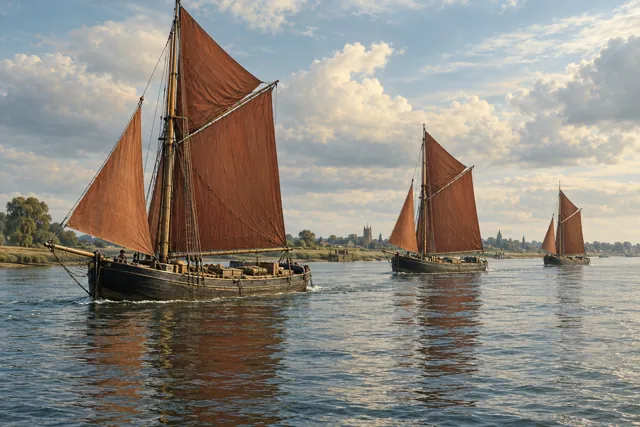
Discover how Thames sailing barges served coastal trade, why their design endured and how surviving vessels preserve a working maritime culture.
Seven researched perspectives on British maritime heritage, from the cargo hold to the changing waterfront.
7 stories
Discover how Thames sailing barges served coastal trade, why their design endured and how surviving vessels preserve a working maritime culture.
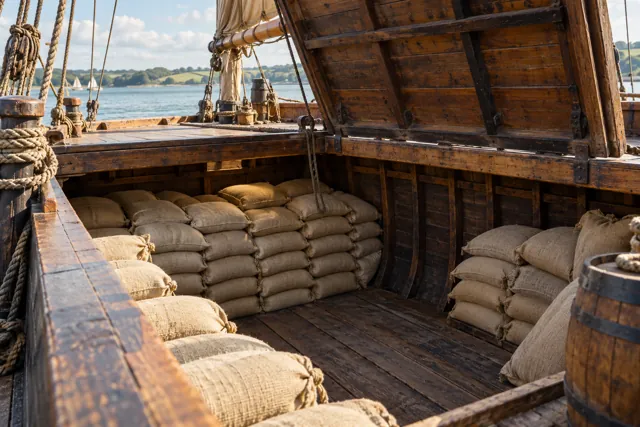
Follow a traditional barge cargo from quay to hold and destination, with clear explanations of tidal access, handling and freight economics.
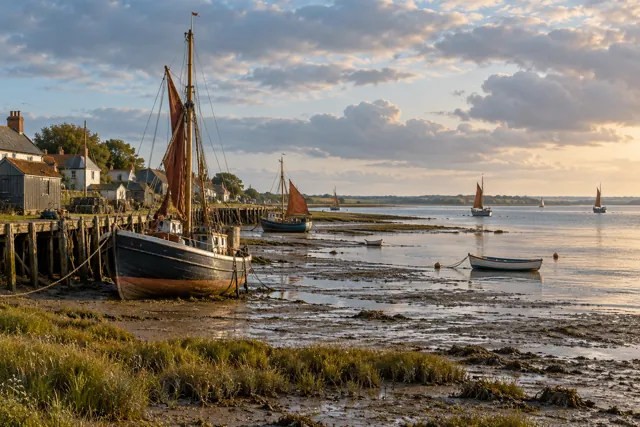
Read the Essex coast through its creeks, working waterfronts and museum collections, with a careful distinction between heritage and visitor access.
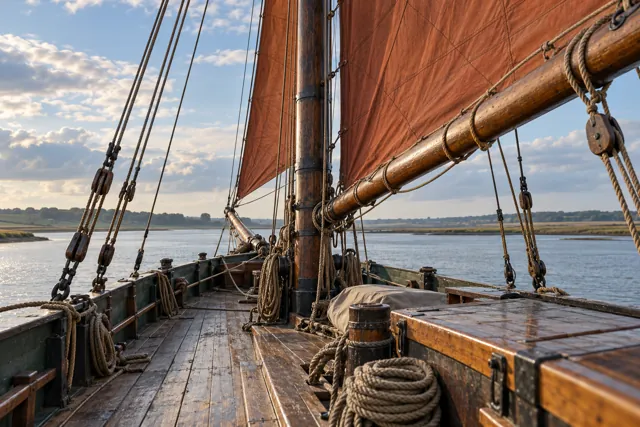
Understand the hull, spritsail, leeboards, hatch and living spaces of a Thames sailing barge through a clear guide to their working purposes.
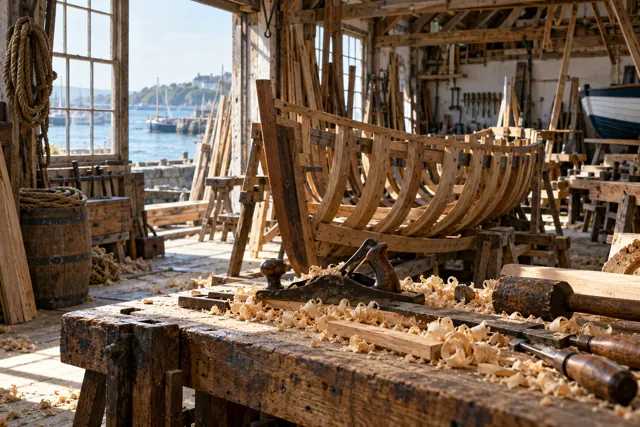
Explore St Osyth’s documented connection with Edme and learn how repair records, traditional skills and conservation choices preserve wooden vessels.
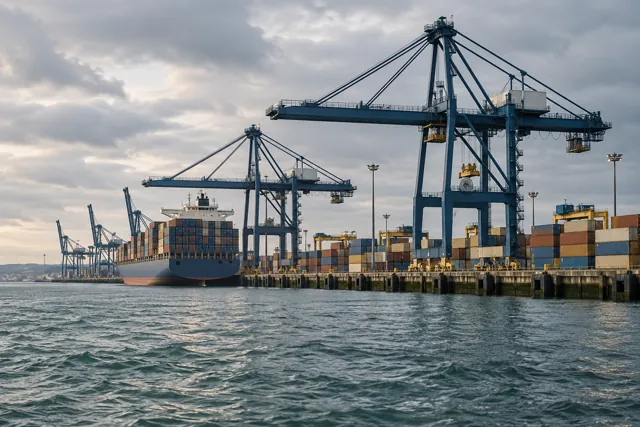
Compare sailing barges with powered and containerised transport, exploring handling, reliable delivery, port geography and connected freight networks.
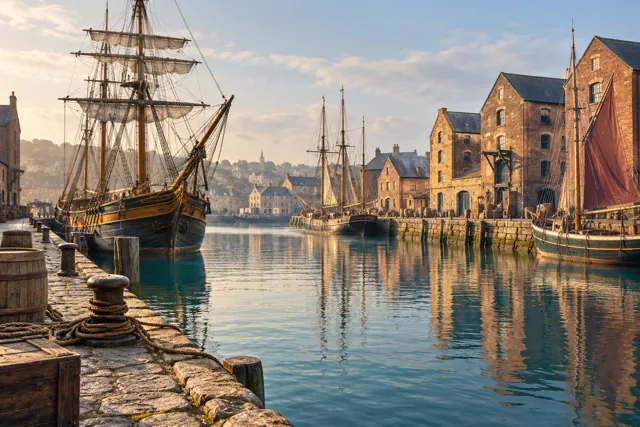
Plan a thoughtful maritime heritage visit using ship records, local museums and public waterfronts, with a checklist for access and interpretation.
No stories match those choices. Try another word or choose all stories.